

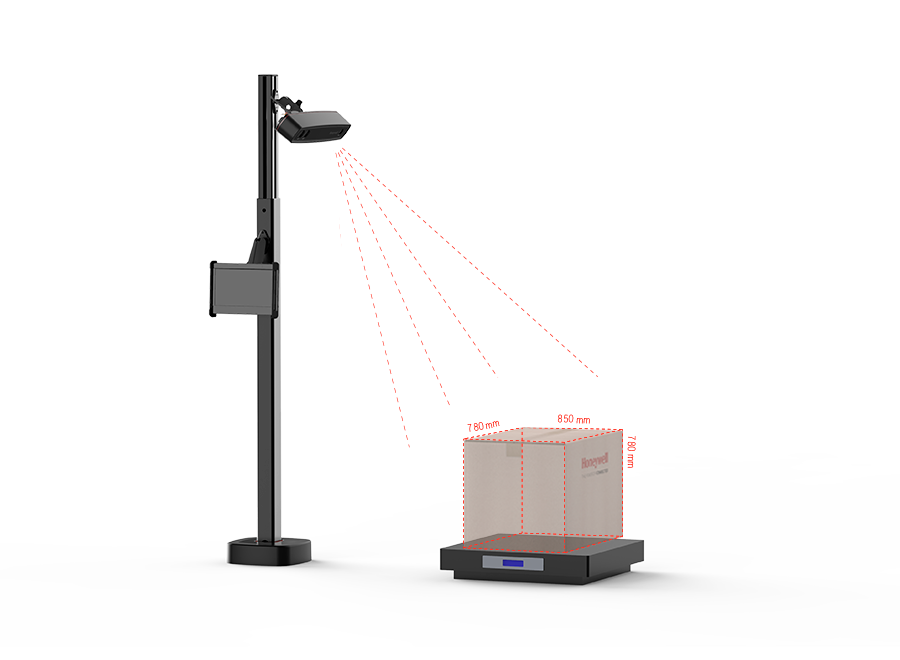

The problem of the accuracy of measuring the dimensions of the boxes
Modern means of automated measurement of the measurement of cargo units (boxes, rolls) have a fairly high accuracy of change. Usually it is 0.1-0.5 cm. On the one hand, this is good technically. On the other hand, the high accuracy of measuring the dimensions of goods has many negative sides. Here they are:.
During transportation, especially during the transportation of goods by sea containers, the dimensions of the boxes may change slightly. Subsequently, this may cause disputes between the client (internal or external) when issuing goods.
As a result, from the experience of introducing WLOGI, we consider a value of 1 centimeter to be a reasonable and optimal value for the accuracy of measuring cargo dimensions. This is a good decision, positively perceived by all participants in the logistics process, does not cause discussions and disputes in the tariffing.
We can say that in this case - "Better is the enemy of good"